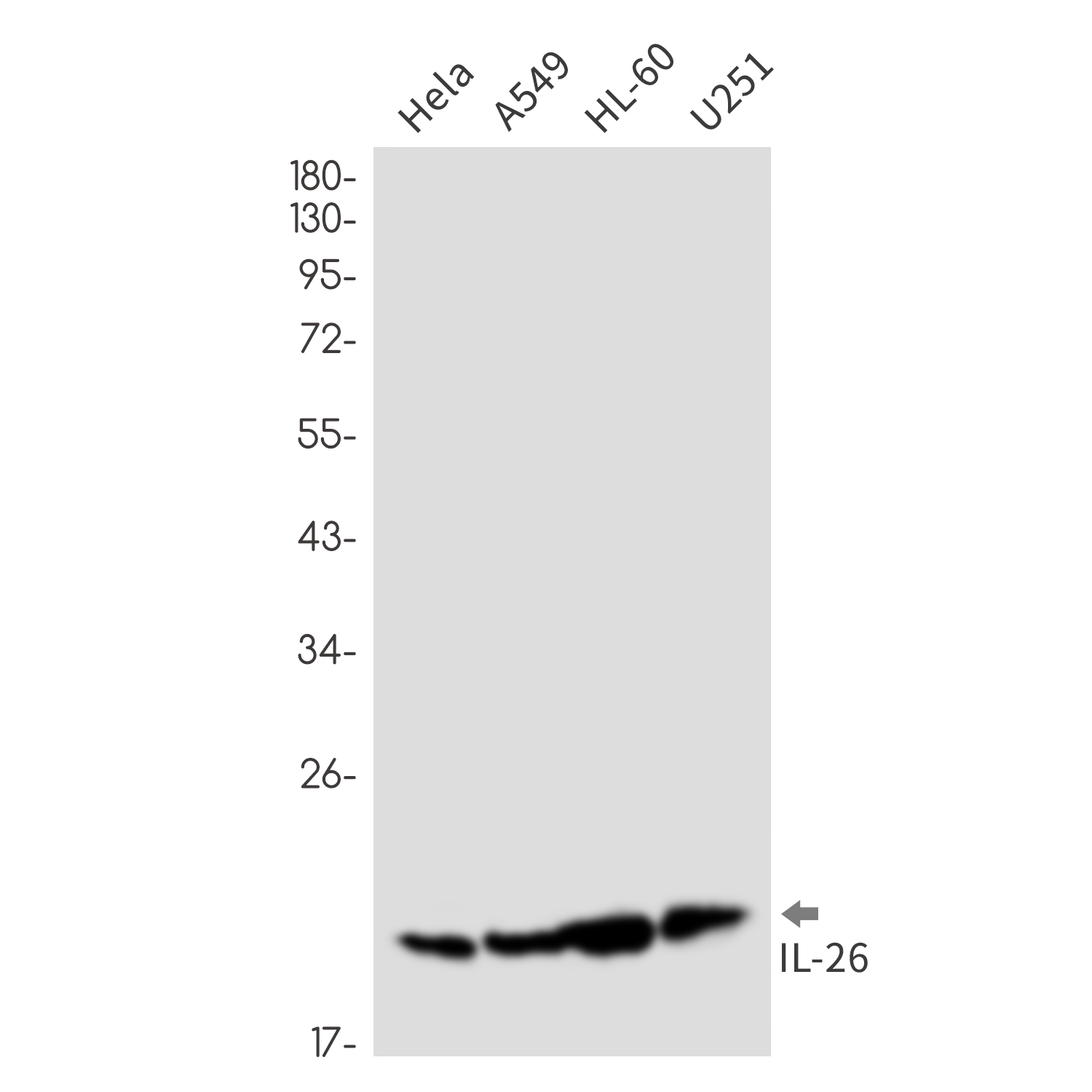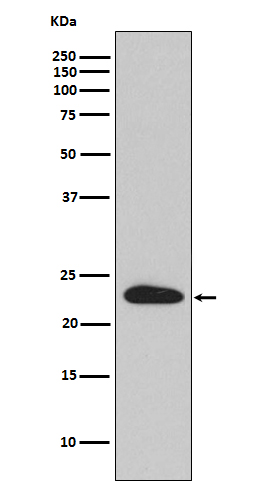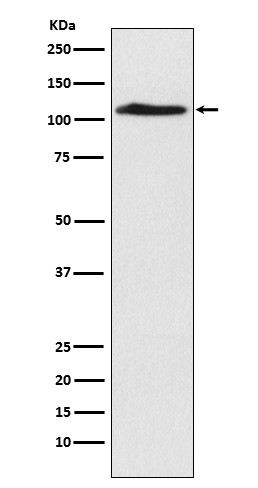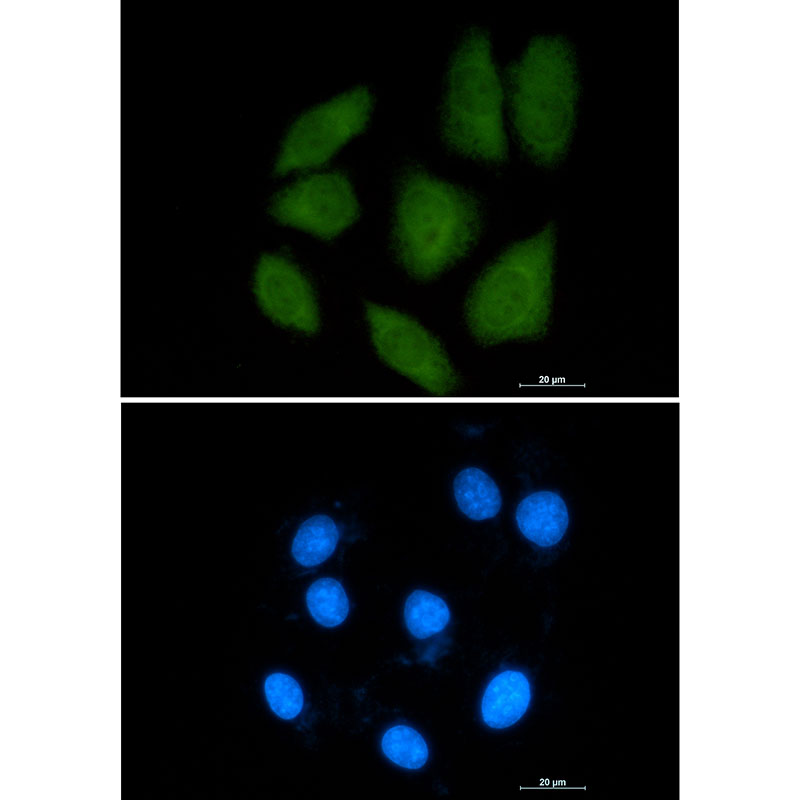

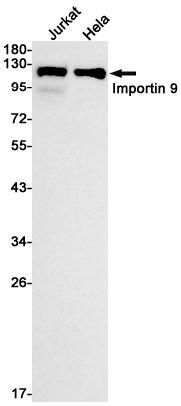


Item Number:R07459
When selecting a primary antibody, the following factors should be comprehensively considered:
| Feature | Monoclonal antibody | Polyclonal antibody |
|---|---|---|
| Source | Single B-cell clone | Multiple B-cell clones |
| Specificity | Very high, recognizing a single epitope | Relatively high, capable of recognizing multiple epitopes |
| Sensitivity | Medium | Relatively high |
| Inter-assay consistency | Excellent | There are differences |
| Application preference | IHC, flow cytometry, blocking experiment | WB、IP、ChIP |
Selection Recommendations: When high specificity is required (such as distinguishing between modification states) or long-term large-scale experiments are conducted, monoclonal antibodies are preferred; when detecting low-abundance proteins or exploring experimental conditions for the first time, polyclonal antibodies are more suitable.
Species reactivity data is sourced from manufacturer validation or literature reports. If the instruction manual states "human, mouse", it indicates that the antibody has been validated to be positive in at least two species; if it only states "predicted", it means it is based solely on sequence homology analysis. When using across species, it is recommended to consult the literature or conduct validation on one's own.
Repeated freeze-thaw cycles can disrupt the spatial structure of antibodies, leading to aggregation, decreased activity, and even degradation. Ways to avoid this include:
The recommended proportion in the instruction manual is only for initial reference. Optimization steps:
Possible reasons and solutions:
| Reason | Solution |
|---|---|
| Insufficient sealing | Replace the blocking solution (5% normal serum + 1% BSA + 0.3% Triton) and extend the blocking time (1 hour at room temperature or overnight at 4°C) |
| Primary antibody concentration is too high | Increase dilution ratio |
| Secondary antibody non-specific binding | Set up no primary or secondary antibody control; use isotype control or pre-adsorbed secondary antibody |
| Endogenous peroxidase (IHC-HRP) | Add an H₂O₂ blocking step (0.3% H₂O₂ for 10-15 minutes) |
| Intrinsic fluorescence (IF) | Use a spontaneous fluorescence quencher (such as TrueBlack) |
Cross-validation using multiple methods:
Inter-assay variability is a common issue in the production process, especially in polyclonal antibodies. Methods to reduce variability include:
Yes, but there are risks involved. Many antibodies may be effective in non-validated applications, but they require self-optimization and rigorous control settings. If successfully used, it is recommended to indicate in the publication that "this antibody XX application is validated by the laboratory itself".
Step-by-step troubleshooting:
Two conditions must be met: ① the target protein exhibits high sequence homology between mice and humans; ② the instruction manual does not indicate "human specificity". Even so, it is still recommended to set up a positive control (such as a sample known to express the protein in mouse cell lysate) for verification.
ChIP requires antibodies to recognize the natural chromatin epitopes after fixation. Selection criteria:
First, conduct a self-check according to the aforementioned troubleshooting guide. If the issue persists, contact the manufacturer's technical support and prepare the following information:
Most manufacturers offer quality guarantees, and upon verification, they may provide free replacements or refunds.

1. Open WeChat and click on the upper right corner ➕
2. Select Add Friends
3. In the search box, long press to paste the WeChat ID